
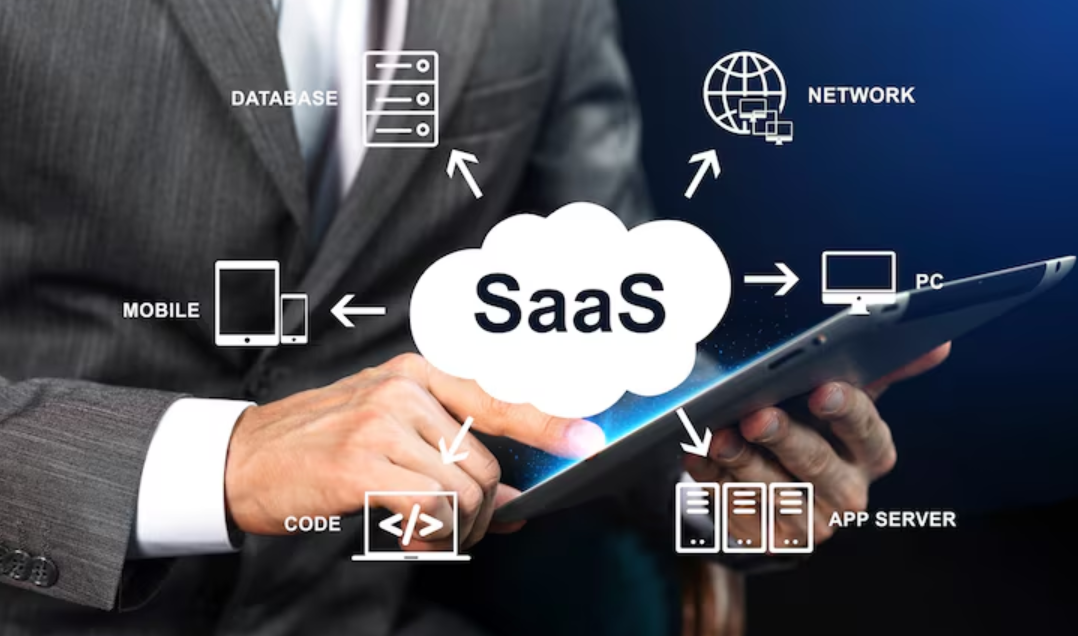
The digital landscape is undergoing a fundamental transformation. For years, Software as a Service (SaaS) was defined by its accessibility—moving tools from local hard drives to the cloud. However, the next era of software isn’t just about where the data is stored, but how that data is utilized. As we look at the latest SAAS News, it is becoming increasingly clear that the integration of Artificial Intelligence (AI) is no longer a luxury feature; it is the core engine driving the next generation of business efficiency.
The Evolution from Static to Dynamic Tools
Traditional SaaS platforms were essentially digital filing cabinets or structured workflow managers. They required significant manual input and constant human oversight to remain useful. If you wanted a report, you had to pull the data. If you wanted to automate a task, you had to build the logic yourself.
AI-driven SaaS changes this dynamic by moving from reactive to proactive. Instead of waiting for a user to trigger an action, these platforms analyze patterns and suggest optimizations in real-time. This shift represents a transition from software as a "tool" to software as a "partner." This evolution is a recurring theme in recent industry updates, highlighting how companies are moving away from rigid structures toward fluid, learning systems.
Hyper-Personalization at Scale
One of the most significant advantages of AI-integrated software is the ability to provide a tailored experience without manual configuration. In a standard software environment, every user sees the same dashboard and follows the same steps. AI-driven platforms, however, adapt to individual user behavior.
By monitoring how a team interacts with a specific interface, the software can surface the most relevant data points, hide unnecessary functions, and predict the next likely action. For businesses, this means reduced training time and a significant decrease in "software fatigue." When the interface anticipates what a team needs, productivity ceases to be a struggle against the tool and becomes a seamless flow.
Predictive Analytics and Strategic Foresight
Data has often been described as the new oil, but raw data is useless without refinement. Most businesses sit on mountains of information they cannot process. AI-driven SaaS platforms excel at turning this "dark data" into actionable insights.
The future of business lies in predictive capabilities. Rather than looking at a monthly statement to see where a project went wrong, AI-integrated systems can flag potential bottlenecks before they happen. Whether it’s predicting customer churn, identifying a looming supply chain disruption, or spotting a dip in employee engagement, these platforms allow leaders to make decisions based on what will happen rather than what has already happened.
Automating the Complex, Not Just the Routine
Early automation was limited to "if-this-then-that" logic—simple, repetitive tasks like moving a file from one folder to another. AI-driven SaaS is tackling much more complex cognitive labor.
We are now seeing platforms that can draft technical documentation, perform sentiment analysis on thousands of customer feedback entries simultaneously, and even optimize cloud spending by shifting resources automatically based on traffic patterns. By offloading these high-level but time-consuming tasks to an intelligent system, human talent is freed up to focus on creativity, empathy, and high-level strategy—the things machines still cannot replicate.
Bridging the Skill Gap
The rapid pace of technological change often leaves a gap between the tools available and the talent available to use them. AI-driven SaaS helps bridge this divide. By incorporating natural language processing, these platforms allow users to interact with complex data using simple conversational commands.
A team member no longer needs to be a data scientist to run a complex regression analysis; they simply need to ask the platform a question. This democratization of high-level capabilities ensures that small and medium-sized enterprises can compete with giant corporations that have much larger specialized departments.
Security and Resilience in an Automated World
As cyber threats become more sophisticated, manual security protocols are no longer sufficient. The future of SaaS includes "self-healing" security layers. AI can monitor network behavior for anomalies that would be invisible to the human eye, identifying and isolating threats in milliseconds. This level of autonomous protection is becoming a standard expectation in the industry, as businesses seek to protect their data without slowing down their operations.
Why the Shift is Permanent
The move toward AI-integrated platforms isn't a trend; it's a response to the increasing complexity of the global market. Businesses are dealing with more data, more competition, and faster turnaround times than ever before. In this environment, the efficiency gains provided by standard SaaS are no longer enough to maintain a competitive edge.
The platforms that will dominate the market over the next decade are those that reduce the cognitive load on their users. The future belongs to software that learns, adapts, and grows alongside the business it serves.